
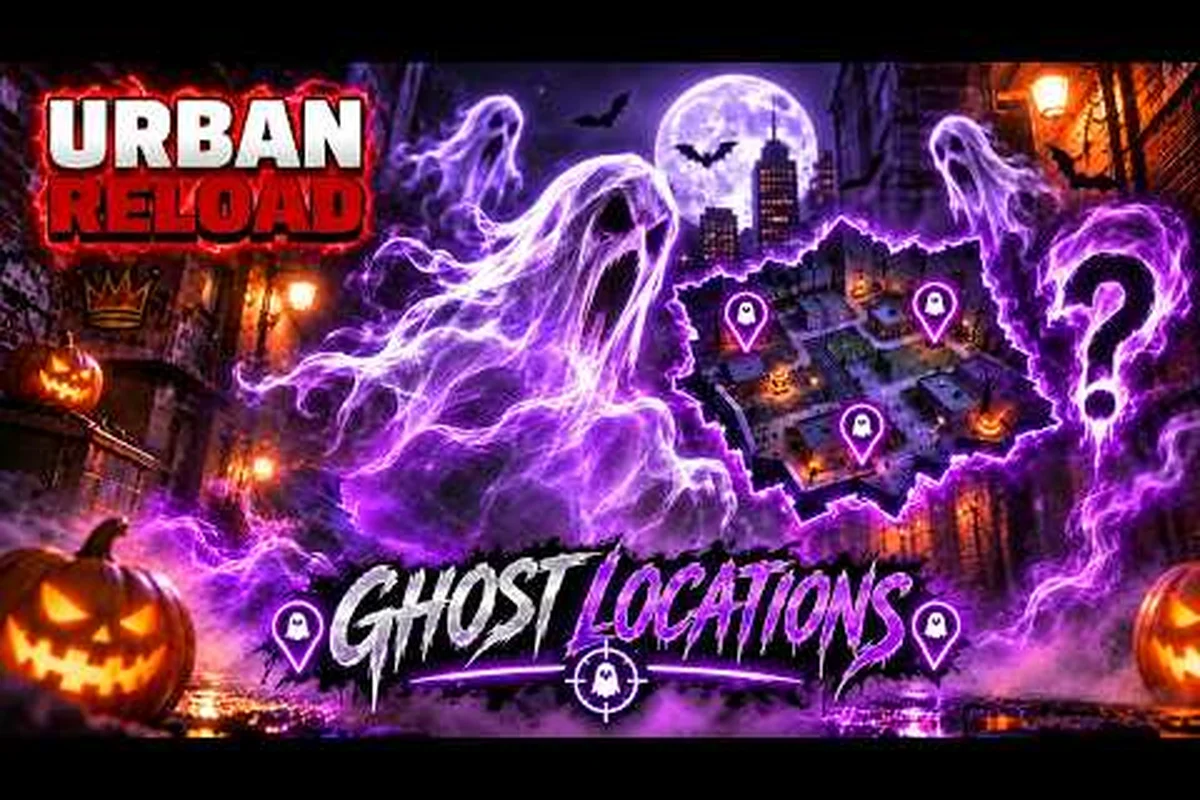
The Urban Reload content drop matters because it determines which seasonal events, weapon fixes, balance changes, and maintenance rewards reach players next. Tracking the Urban Reload update October 2026 roadmap helps separate confirmed patch notes from preview speculation, while comparisons with the Urban Reload October patch and Urban Reload November update clarify when changes are likely to arrive. Expect the most practical value from the Urban Reload big update in its event schedule, balance tuning, and downtime guidance, especially when checking the Urban Reload game maintenance window before attempting limited-time objectives or claiming rewards.
Urban Reload Content Drop Overview
The Urban Reload content drop is the clearest way to distinguish confirmed additions from speculation circulating around the October and November release window. The October 2026 roadmap signals a broad content push, but players still need to separate published patch information from community discoveries that may change before deployment.
This guide tracks the October 2026 roadmap, the Urban Reload October patch, and the expected Urban Reload November update without presenting unverified details as settled facts. It also covers maintenance timing and the signals worth watching when a new version reaches players.
| Release window | Current status | Strongest supported signal | Confidence |
|---|---|---|---|
| October 2026 | Current release period | Major content and seasonal additions | High |
| November 2026 | Upcoming period | Continued roadmap follow-up expected | Medium |
| Future patch | Unscheduled | Changes remain subject to testing | Low |
Confirmed Signals and Unconfirmed Rumors
A reliable update report should clearly separate information visible to ordinary players from discoveries shared by testers or community members. That distinction matters because beta behavior can change, maintenance notices can move, and a planned feature may be delayed without a new headline.
The phrase official roadmap should be reserved for information published through the game’s established communication channels. By contrast, community-reported discovery can be useful for forming a watchlist, although players should wait for the stable build before treating it as a permanent change.
| Information type | Where it is most useful | How to treat it |
|---|---|---|
| Official announcement | Confirmed release timing and headline features | Treat as authoritative |
| Maintenance notice | Expected downtime and patch rollout | Verify before each session |
| Beta observation | Balance values or unfinished features | Mark as provisional |
| Creator showcase | Visual preview and player impressions | Use for context, not confirmation |
The current picture is therefore clear at a high level: the October release is the primary focus, November represents the next follow-up window, and maintenance remains the key checkpoint for when all announced changes become playable. This means players should treat the Urban Reload October patch as the decisive test for the urban reload content drop: compare the stable build against beta observations, confirm whether every advertised feature has arrived, and use the next Urban Reload maintenance notice to identify patch rollout timing before assuming that an unannounced Urban Reload November update is confirmed.
What the Urban Reload October Patch Includes
The Urban Reload October patch is centered on renewed seasonal play rather than a single isolated feature. Available material supports the presence of a major content wave, while the detailed contents should be judged against the latest in-game notices and developer communication before players build a rigid roadmap around them.
The strongest concrete example is the Halloween update coverage. A community video titled “I Found All the Secret Ghost Locations!” from urryuk runs 1:10 and focuses on hidden ghost locations associated with the Halloween update. That supports the existence of a spooky event and exploration-oriented content, but it does not by itself establish final reward values or permanent map placements.
Major Additions and Seasonal Direction
The October release appears designed to refresh the normal gameplay loop with event content, discoveries, and enough visual variation to make returning players check older locations again. This is where community reports become especially useful because seasonal secrets can be found outside the standard combat flow.
| Content signal | What players can reasonably expect | Verification status |
|---|---|---|
| Halloween event | Seasonal atmosphere, themed activities, and exploration goals | Reported by players |
| Secret ghost locations | Optional objectives hidden around the environment | Featured in community testing |
| Major content wave | New material tied to the October release period | Supported by roadmap coverage |
| November continuation | More additions after the October launch | Expected, not final |
The event angle makes the secret-location circuit a major part of the urban reload content drop. Instead of focusing only on direct encounters, players should inspect side streets, isolated structures, and less obvious corners. Community reports are most helpful when they provide a route or clue, while the live game remains the final authority on whether a location still works after a fix.
What the October Patch Means for Progression
New seasonal material can affect progression even when the core matchmaking and controls remain untouched. Players may earn event-specific currency, unlock limited cosmetics, or uncover objectives that encourage movement across the map. Because reward structures can be tuned late in development, the safest approach is to separate permanent progression from temporary event progress.
Permanent unlocks deserve more planning than temporary currency because they remain relevant after the event ends. Players should inspect their storage, prioritize unfinished seasonal tasks, and note which rewards require multiple activity types rather than one long combat session. The Urban Reload new update overview provides a useful companion for tracking the broader release context.
Urban Reload November Update: Early Expectations
The Urban Reload November update is the natural follow-up point for the big update cycle, but early expectations should be framed as planning rather than confirmed feature promises. The important question is not whether every rumor reaches release; it is which unfinished items from October are most likely to receive refinement in November.
Early community interest appears concentrated around continued seasonal content, improved discovery opportunities, and potential follow-up balancing. That creates a reasonable watchlist without turning speculation into a feature list. Anyone looking for a formal announcement trail should also review the Urban Reload planned-content tracker for later schedule changes.
Priority Ranking for the Next Update Window
The table below ranks likely discussion priorities by evidence and practical impact. It does not claim that every listed item is confirmed; instead, it shows where players should focus their attention as official notes arrive. A practical example is the Urban Reload big update cycle: deployment and maintenance can determine when fixes reach players, while the Halloween event and hidden-location retention offer concrete ways to judge whether seasonal rewards and map secrets remain useful after launch. The ranking also separates roadmap-level information, such as November additions, from speculation about future weapon or map changes, so players can distinguish Urban Reload content drop news from less reliable predictions.
| Priority | Topic | Why it matters | Evidence level |
|---|---|---|---|
| 1 | Maintenance and deployment | Determines when fixes and additions become available | Confirmed update behavior |
| 2 | Halloween content follow-up | Extends the strongest documented seasonal thread | Community-confirmed theme |
| 3 | Hidden-location retention | Tests whether event secrets survive balance changes | Player-reported |
| 4 | November additions | Main source of new-content expectations | Roadmap-level information |
| 5 | Future weapon or map changes | Potential long-term impact, but details remain fluid | Speculative |
This ranking reflects the Urban Reload big update cycle as a process rather than a single release day. Developers often use the period after a major launch to fix issues, clarify rewards, and adjust features that players use heavily. Consequently, the November window may contain improvements that feel smaller than the October launch but are more useful in daily play.
When Speculation Should Be Treated as a Plan
A rumor becomes actionable only when it has a clear use. For example, a reported reward location matters because it gives players a destination, while vague claims about a future weapon do not improve planning unless its role is described. This standard keeps update coverage useful without overstating what has been confirmed.
| Rumor type | Useful planning detail | What remains unknown |
|---|---|---|
| New reward location | Map area and discovery condition | Final reward quantity |
| Weapon balance change | Affected weapon or class | Exact percentage and patch version |
| New map area | General location or access path | Layout and spawn points |
| Event extension | End-date window | Exact rewards and balance adjustments |
The practical rule is simple: mark uncertain details, keep the reliable date and objective, and recheck after maintenance. For example, if the Urban Reload November update is tied to a confirmed maintenance window but its exact reward quantity remains unknown, label only the quantity as pending and retain the stated date and patch purpose. This lets the coverage preserve momentum without making the Urban Reload content drop depend on unconfirmed map, weapon, or event details.
Maintenance, Deployment, and Player Preparation
Urban Reload game maintenance determines when announced changes move from preview material into the playable build. Players who understand the rollout sequence can spend downtime reviewing their account, preparing for the new content, and avoiding the confusion that often follows an unannounced restart.
Maintenance should be treated as a delivery checkpoint, not merely a downtime warning. It is the point when pending adjustments may be applied, temporary event data may be refreshed, and new content may replace an earlier beta build. The Urban Reload server-maintenance guide expands on the technical and practical side of that process.
A Reliable Maintenance Checklist
Before a scheduled restart, check the current notice rather than relying on a previous month’s timing. Keep essential activity and confirm your available storage. After maintenance, compare the version shown in the client with the latest published notes and confirm that seasonal objectives appear as expected.
| Timing | Player action | Reason |
|---|---|---|
| 24 hours before | Recheck maintenance start and end times | Notices can shift |
| 1 hour before | Finish active matches and save progress | The server may close early |
| Immediately after | Compare client version with patch notes | Confirms deployment |
| First session | Check event menus and seasonal challenges | Surfaces content availability |
| End of week | Test disputed features again | Fixes may arrive later |
The checklist also helps separate temporary interruption from actual content delay. A server that closes for maintenance has behaved normally, while a missing objective after the official restart window deserves additional checking. If the issue persists, players should record the exact wording, current client version, and the platform they use before reporting it.
Reporting Problems Without Losing Useful Detail
A concise report gives maintainers information they can reproduce. Include the action attempted, the expected result, the actual result, and whether the problem follows the player across matches. Avoid broad claims such as “the update is broken” because a specific description is much easier to isolate.
| Weak description | More useful report |
|---|---|
| “New event is missing.” | “The Halloween challenge panel is absent after restart on console.” |
| “Ghost cannot be found.” | “Ghost location marker does not appear after using the listed interaction.” |
| “Server is down.” | “Login fails with error code shown, while another account can connect.” |
A useful update article should not ask players to speculate about every possible cause. It should give them a repeatable sequence: check the notice, compare versions, test the feature, and report specifics. That sequence turns maintenance from an inconvenience into a manageable part of the urban reload update October 2026 release process.
How to Prepare for the Next Urban Reload Big Update
The next Urban Reload big update is easier to handle as a preparation system rather than a last-minute checklist. Players can reduce downtime by learning what the current release already teaches, saving resources for temporary currencies, and recording unresolved details before they become memory-based guesses.
Preparation should focus on three areas: event completion, progression decisions, and update awareness. Seasonal objectives often require exploration, combat, and movement between zones. Completing them early prevents the October event from becoming one more abandoned challenge, while organized progression prevents rewards from being spent on low-value items.
A Two-Stage Preparation Plan
The first stage occurs before maintenance. Review available challenges, clear limited objectives, and identify any reward that must be claimed before expiration. The second stage begins after the client updates, when players should verify menus, test the newly added content, and compare their experience with the published notes.
| Stage | Priority actions | Expected result |
|---|---|---|
| Before maintenance | Finish seasonal tasks and collect temporary currency | Fewer rewards lost to expiration |
| During downtime | Review notes and prepare inventory choices | Faster understanding of changes |
| After deployment | Test event features and inspect new menus | Early confirmation of availability |
| After fixes | Revisit reports that remain unresolved | Accurate record of persistent issues |
This preparation plan also improves communication within squads. Shared routes can shorten ghost hunting, while one player can track reward conditions and another can verify the event panel. This is especially useful during the urban reload content drop, because temporary objectives may be less obvious than the headline combat content.
Make Event Progress Measurable
Players should track completion as simple categories rather than vague impressions. “Do more Halloween tasks” is difficult to evaluate, but “complete three seasonal challenges and locate every currently published ghost site” gives the session a clear finish line. Accurate personal tracking also makes it easier to distinguish a missing reward from an uncompleted requirement.
| Progress measure | Example target | Benefit |
|---|---|---|
| Event objectives | Complete every visible seasonal challenge | Confirms menu and rewards work |
| Discovery count | Visit each documented ghost location | Checks exploration content |
| Reward claims | Open every earned reward panel | Prevents accidental loss |
| Build readiness | Keep combat, movement, and backup options | Handles unfamiliar encounters |
The most important preparation step is claiming rewards promptly. A small event currency may look unimportant while the event is active, but it can determine which options are available later. Players should also avoid treating community coordinates as permanent because map elements and interaction methods may change after maintenance.
What Players Can Confirm After the October Release
The best way to evaluate the October release is to compare promises with the live client. A polished community clip proves that something appeared during testing, but stable delivery requires a visible event panel, working objectives, obtainable rewards, and a functioning server after the update completes.
This verification process also prepares players for the Urban Reload November update by turning each unresolved item into a clean maintenance-cycle observation, such as a missing objective counter, an unreachable reward icon, or a server disconnect that only appears after the event panel opens. Confirmed features can then be evaluated for balance through the Urban Reload October patch: reward rates, objective completion speed, and whether the big update’s new content drop improves progression without making existing missions obsolete.
Release Verification Checklist
Start with account access and the client version. Next, open the seasonal event interface and identify every listed reward. After that, test one discovery objective, one combat objective, and one reward claim. Any failed step should be retested in a clean session before being reported.
| Check | Success signal | Failure evidence to record |
|---|---|---|
| Client version | Matches latest release note | Old or mismatched version number |
| Event access | Seasonal panel opens normally | Missing panel or load error |
| Objective function | Progress registers after action | Counter remains unchanged |
| Reward claim | Currency or item appears in inventory | Confirmation fails |
| Server stability | Matches and menus remain usable | Repeated disconnects |
This method supports the Urban Reload November update without pretending that future testing is certain. If October reveals a weak point, players can understand whether November is likely to focus on that system, but they should not declare a fix before the next build confirms it.
Balancing Rumor and Evidence
Evidence can be ranked by proximity to the stable build. A feature visible in the live client after maintenance is stronger evidence than a beta clip, and a developer announcement is strongest when it includes a release window and patch number. Every tier still has limits, especially when server versions differ across platforms.
The correct response to uncertainty is not to suppress useful clues. It is to preserve their verification status. A note such as “community-reported, pending stable verification” gives other players context while preserving an honest line between observation and release status.
Frequently Asked Questions
What is included in the Urban Reload content drop?
The documented focus is a major seasonal release with Halloween-related material, including reported secret ghost locations. Other additions remain tied to the latest official notes, so players should treat community discoveries as provisional until they appear in the stable client. Confirm each feature in-game rather than relying on an early showcase.
When is the Urban Reload November update expected?
The November update is the expected follow-up to the current October release cycle, but no verified final launch date should be invented from this report. Players should watch official announcements and maintenance notices for the deployment window. Early features may also receive balance changes before the stable release.
How long should players expect maintenance to last?
Duration can vary by the amount of content being deployed, so the current notice is more reliable than a general estimate. Save progress, finish active sessions, and check the stated end time before reconnecting. If the client still shows an old version after maintenance, restarting the platform may resolve the mismatch.
Does the Urban Reload October patch include new seasonal rewards?
Seasonal rewards are strongly associated with the Halloween content reported by players, including events tied to hidden ghost locations. Exact reward values and expiration details may be adjusted after testing, so players should check the in-game reward panel. Claiming earned items promptly reduces the risk of losing temporary progress.